Compare custom home construction
Your Preferred General Contractor for Excellent Home Enhancements
A reputable construction professional fulfills a vital role in home improvements. Their knowledge guarantees projects are completed with accuracy and attention. By focusing on superior materials and craftsmanship, they improve both aesthetics and worth. Clear dialogue and thorough preparation are crucial for a seamless experience. However, many homeowners overlook important considerations when selecting a contractor. Recognizing what to emphasize can create all the impact in obtaining a successful renovation. What should homeowners think about first?
Essential Qualities to Seek Out in a Dependable General Contractor
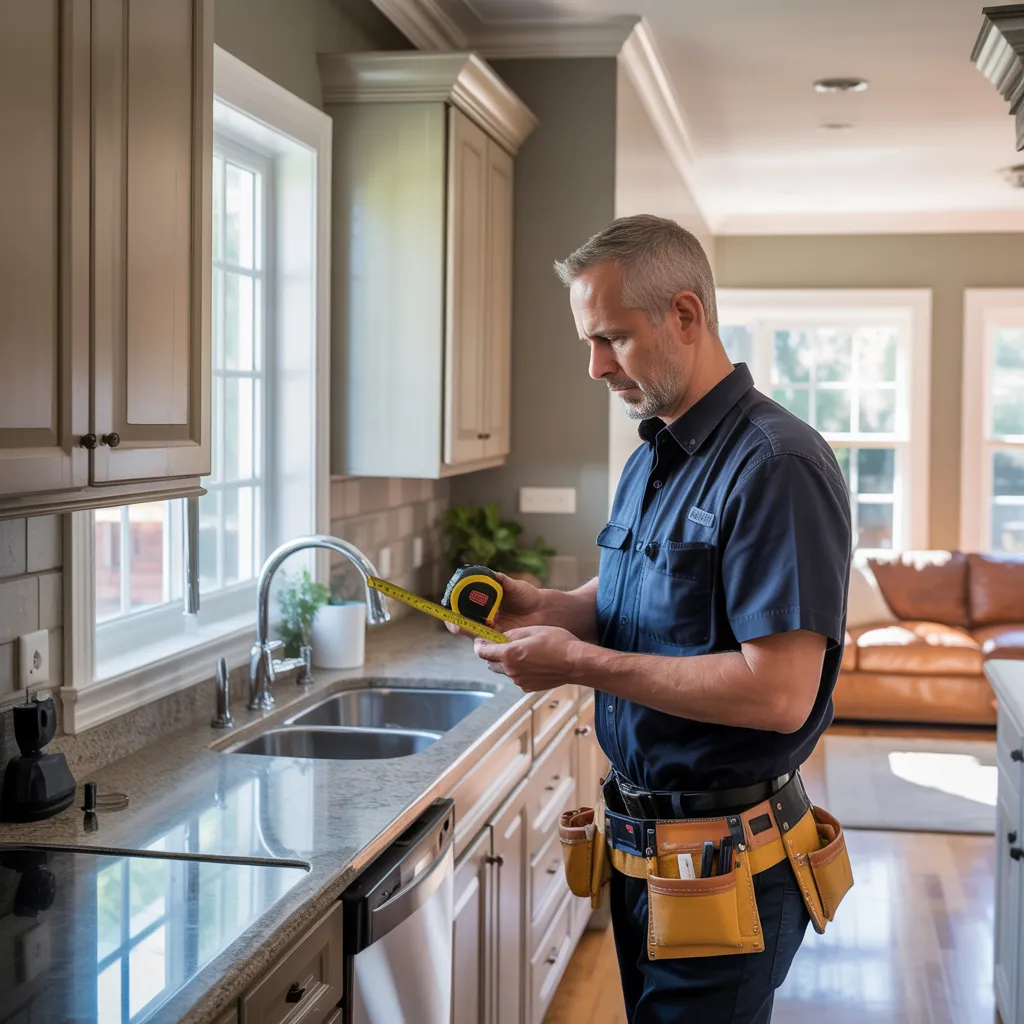
When beginning a home renovation project, how can one guarantee they choose a reliable contractor? Initially, people should seek suggestions from friends, family, or online reviews to identify prospective contractors. It is essential to confirm qualifications, including permits and coverage, ensuring the contractor complies with local regulations. Next, reviewing previous projects through portfolios or references offers insights into the contractor's craftsmanship and reliability.
Additionally, collecting several estimates can assist in evaluating reasonable expenses and project timelines. Soft skills are also necessary; a service provider should be engaging and responsive to inquiries. Further, a robust binding agreement outlining extent of work, duration, and payment overview terms shields both parties. In conclusion, rely on your instincts; if a contractor appears unprofessional or evasive, it may warn of later complications. By following these standards, property owners can greatly enhance their probability of engaging a faithful general contractor, leading to accomplished home improvement initiatives.
Why a Local General Contractor Is Your Optimal Choice
Selecting a area general professional can significantly boost the performance of home renovation jobs. Regional contractors have valuable knowledge of the locality, including building codes, standards, and zoning laws, guaranteeing compliance and effectiveness. Their long-standing ties with suppliers and trade contractors can result in better pricing and timely availability to materials and skilled labor.
Moreover, local professionals often have a reputation to copyright within the locality, pushing them to ensure quality performance. This obligation to standards fosters trust and confidence among homeowners.
Furthermore, being close makes possible more straightforward communication and swift response times, which are important during a project. Homeowners may also ask referrals from neighbors or friends who have worked with the contractor before, offering peace of mind. Overall, choosing a local general contractor not only support the community but also enhances the overall quality and experience of home improvement tasks.
Your Complete Step-by-Step Handbook to Home Improvement Experience
Launching a domestic renovation project calls for strategic planning and competent implementation. Setting a project timeline is vital to verify that tasks are accomplished efficiently, while procuring superior materials can markedly determine the project's outcome. This resource will present these essential steps to enable homeowners navigate their renovation undertaking with great success.
Plan Your Work Schedule
A well-structured renovation schedule is vital for successful home improvements, guaranteeing that every phase is executed efficiently. To start, homeowners should define the project's parameters, outlining particular objectives and desired outcomes. Subsequently, they should meet with their general contractor to establish a practical timeframe based on the project's intricacy and necessary work. Dividing the project into smaller phases allows for improved monitoring and adjustments as required. It is also important to consider potential delays, such as weather conditions or material shortages, which may affect the schedule. Frequent consultations with the contractor can help keep the project on track. In the end, a clear timeline fosters communication and establishes understanding, resulting in a easier home improvement process.
Examining Premium Supplies
choosing quality materials substantially affects the results of home improvement undertakings. First, house owners should determine the specific needs of their undertaking, accounting for elements like longevity, visual quality, and financial plan. researching multiple component choices is vital; this includes grasping the merits and disadvantages of individual option options. Working with specialists can give beneficial insights into trustworthy companies and providers.
Next, homeowners should request material samples to assess the look and feel of materials in person. Comparing prices across various vendors can help guarantee competitive pricing without sacrificing quality. Finally, verifying that materials comply with local building codes is essential for protection and adherence to standards. By carefully choosing materials, homeowners can enhance both the lifespan and visual appeal of their upgrades, ultimately adding value to their property.
Share Your Vision Like a Pro
Successful home improvements often depend on the ability to convey a clear objective. Homeowners should communicate their notions, inclinations, and anticipations, ensuring that they relay their desires effectively to their general contractor. A well-defined vision not only helps in coordinating the contractor's plans with the homeowner's goals but also streamlines the decision-making process.
Visual aids, such as sketches or mood boards, can significantly improve communication. They provide a tangible reference that demonstrates style, color schemes, and layout preferences. Additionally, maintaining transparent conversation fosters collaboration, allowing the contractor to ask clarifying questions and provide insights.
Establishing realistic schedules and budgets is equally important. Property owners should be ready to talk about constraints openly to prevent miscommunications down the road. In the end, communicating a vision with precision and assurance strengthens both sides, paving the way for successful project execution and gratifying results in home improvement projects.
The Importance of Quality Components and Artisanship
In home improvements, the selection of durable materials greatly impacts the durability and operation of a project. Equally important is the function of quality workmanship, which guarantees that these materials are utilized effectively. Jointly, high-quality materials and expert workmanship generate findings that stand the test of time.
Long-lasting Material Selection
A carefully chosen collection of durable materials can markedly determine the longevity and visual character of home improvements. Excellent materials not only enhance the visual appeal of a space but also assure that renovations withstand the test of time. Homeowners should stress materials with demonstrated durability, such as hardwood, stone, and high-grade metals, which withstand wear and tear and environmental damage. In addition, opting for materials appropriate to the local climate can stop issues like rot or corrosion. Investing in tough options may call for a higher upfront cost, but the long-term benefits—fewer repairs and replacements—make it a wise choice. Ultimately, the right materials enhance a home's value and overall satisfaction for years to come.
Accomplished Handiwork: How It Matters
Quality workmanship serves as a vital component in the success of home enhancements, supporting the choice of robust materials. Skilled professionals assure that all aspects of a project are delivered with precision, boosting both utility and aesthetic quality. Careful focus in construction, from framing to finishing touches, substantially improves the longevity and dependability of home features. Quality workmanship not only shows a dedication to excellence but also prevents future complications, such as structural issues or aesthetic imperfections. Additionally, veteran professionals recognize the complexities of various materials, confirming they are applied optimally. Ultimately, investing in skilled craftsmanship produces a more fulfilling and permanent outcome, boosting the overall worth of the home and the homeowner's contentment.
Frequent Renovation Issues and Methods to Sidestep Them
Many property owners encounter challenges during remodeling projects that can lead to costly delays and disappointment. One frequent error is undervaluing the financial allocation. Without a detailed financial plan, unforeseen costs can quickly arise, jeopardizing the renovation. Additionally, failing to secure required approvals can result in penalties and project halts, hindering the renovation process.
One common mistake is rushing the process of making decisions. Hasty choices concerning design and layout can result in disappointment down the road. Homeowners often overlook the importance of employing experienced professionals, which can undermine the quality of work and safety standards.
Lastly, poor communication with building contractors can create miscommunications and unfulfilled expectations. To bypass these pitfalls, homeowners should concentrate on comprehensive planning, obtain the necessary permits, choose experienced professionals, and keep open lines of communication throughout the remodeling process. By addressing these common mistakes, homeowners can guarantee a smoother and more rewarding renovation experience.
How to Choose the Suitable Supplies for Your Upgrade?
What methods can homeowners use to ensure they select the right materials for their renovation projects? First, they should assess the exact requirements of the space, considering considerations like functionality, design, and durability. Researching various materials is vital; property owners should contrast alternatives founded on their suitability for the expected application and local climate conditions.
Consulting with a trusted general contractor can provide valuable insights into material choices, ensuring that selections align with both financial constraints and aesthetic objectives. Additionally, homeowners should prioritize sustainability by investigating sustainable options that minimize environmental impact.
Finally, examining samples can help in making informed choices, enabling homeowners to see how materials will appear and feel in their area. By following these steps, homeowners can confidently choose materials that improve their project while ensuring quality and longevity.
Common Questions Posed Often
How Can I Confirm a Contractor's Licenses and Insurance?
To authenticate a contractor's licenses and insurance, one can inspect state regulatory bodies and underwriters. Moreover, soliciting copies of licenses and insurance certificates obtained from the contractor guarantees authenticity and compliance with regulations.
How Protracted Does the Standard Duration for Household Upgrade Ventures Take?
The expected timeline for residential renovation work varies, regularly lasting from a few weeks to several months, influenced by project complexity, magnitude, and required permits. Maintaining dialogue with the professional can help you develop a more accurate schedule.
Can I remain in My Home During Remodeling?
Yes, individuals can live in a residence during remodeling efforts, though it frequently depends on the scope of the project. Smaller renovations may allow sustained occupancy, while major work might require temporary moving for safety and well-being.
What Types of Payment Do Service Providers Commonly Welcome?
Contractors generally accept a assortment of ways to pay, comprising cash, checks, credit cards, and digital payment platforms. Some may also present financing options, giving clients flexibility in overseeing renovation costs and payment schedules.
How Do I Manage Disagreements With My Contractor?
To resolve contractor disagreements, one should communicate clearly, document all interactions, and pursue settlement via discussion. If not settled, arbitration or court proceedings may be required to safeguard your rights successfully.